How to Choose the Right Bathroom Mirror Size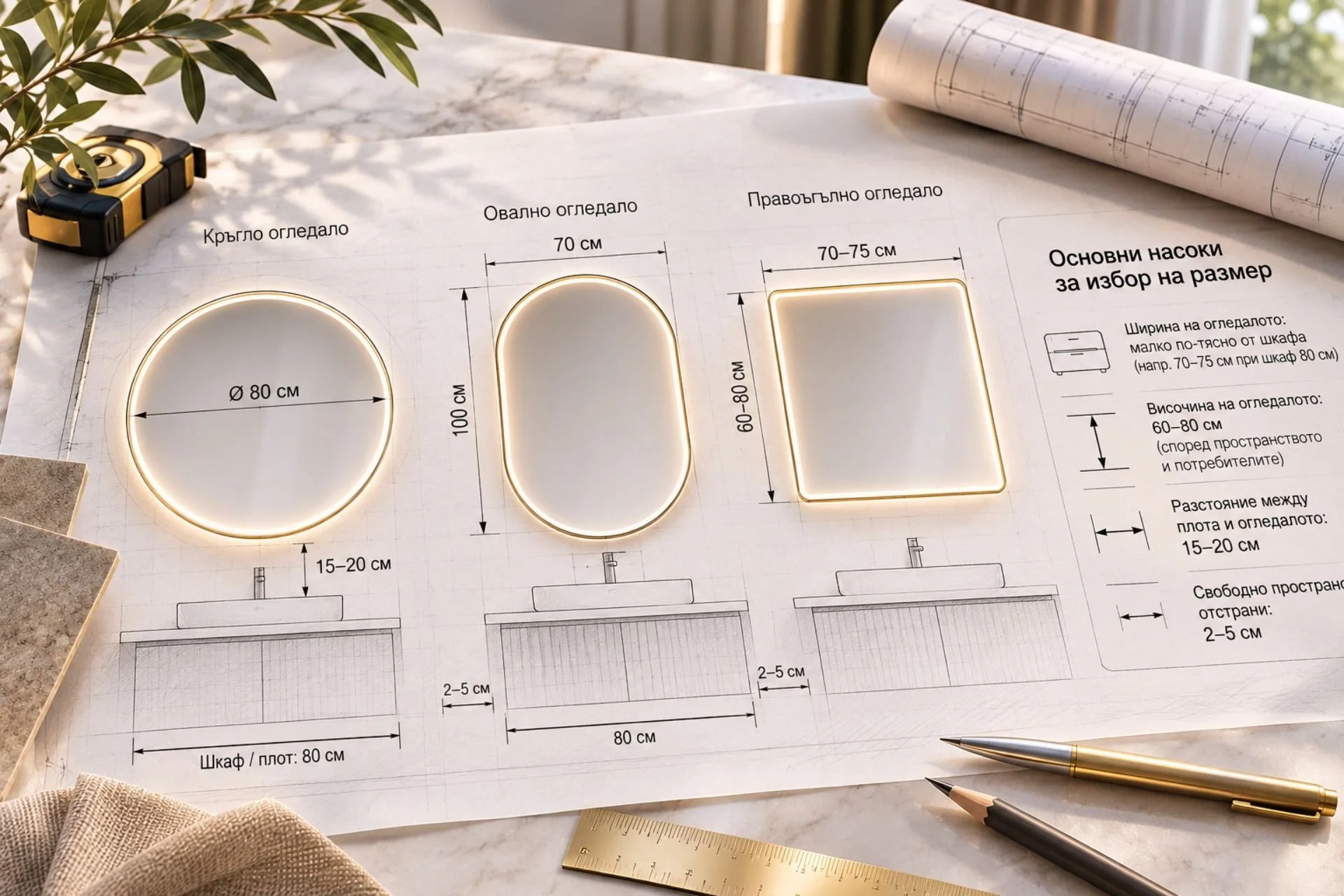
Choosing the right bathroom mirror size is about more than finding a design you like. A mirror that is too small can look out of place above a vanity, while one that is too large may overwhelm the wall. The right proportions help create a balanced bathroom and make everyday routines more comfortable. Before choosing a shape or lighting style, take a moment to consider the basin, vanity unit, available wall space and the way you use your bathroom. Here are a few practical points to help you find a mirror that fits both your space and your needs. Start by measuring the vanity unit, not the wallThe width of your vanity unit is usually the most useful starting point. A mirror should feel visually connected to the basin and furniture beneath it, rather than appearing as an unrelated element on the wall. As a general design guideline, a mirror that is slightly narrower than the vanity often creates a neat, balanced look. For example, above an 80 cm vanity unit, you could consider a mirror approximately 70–75 cm wide. This is a starting point rather than a strict rule: the proportions of the room, the mirror's shape and the surrounding fittings all matter. Before making a decision, measure:
If you have a double vanity, consider whether one wide mirror or two separate mirrors would create a more harmonious arrangement. The choice depends on the spacing between the basins and the overall design of the room. How tall should a bathroom mirror be?Width is only part of the decision. The height of the mirror affects how comfortable it is to use and how the wall looks as a whole. Think about the people who will use the bathroom most often. The mirror should allow them to see their reflection comfortably without having to bend or stretch. Also consider the height of the basin, the position of the tap and the available space above the vanity. A taller mirror can be a good choice when you want to emphasise vertical lines or make a narrow wall feel more elongated. A more compact design may work better above a small basin or in a bathroom where wall space is limited. Before installation, mark the intended position on the wall or use a paper template in the mirror's approximate dimensions. This simple step can help you assess the proportions before making a final decision. Round, oval or rectangular: which shape works best?The shape of the mirror influences the character of the bathroom as much as its dimensions. It can soften the room, reinforce its architectural lines or become a focal point above the vanity.
Do not choose a shape based on appearance alone. Consider the width and height of the wall, the position of the basin and the visual weight of other elements in the room. How to choose a mirror for a small bathroomIn a compact bathroom, every element should have a clear purpose. The mirror can help the room feel more open by reflecting light and creating a greater sense of depth. A mirror that is too small may make the wall feel fragmented. A well-proportioned design can instead connect the basin area with the rest of the interior and make the space feel more cohesive. Consider these ideas when planning a smaller bathroom:
Consider the lighting before choosing the final sizeLighting is an important part of the mirror selection process. An LED bathroom mirror can provide functional illumination while also contributing to the atmosphere of the room. It is useful to distinguish between two common lighting effects. Front lighting is directed towards the user and can be helpful during everyday grooming. Backlighting creates a soft glow on the wall behind the mirror, adding depth and a more atmospheric effect. The type and position of the lighting may influence how prominent the mirror appears. A backlit mirror, for example, creates a subtle halo around its outline. This can make the mirror feel visually separate from the wall, so consider the surrounding space when choosing its dimensions. For mirrors with electrical components, installation in the bathroom should always be carried out by a qualified electrician. Bathroom mirror models from THEA Mirror StudioOnce you have considered the available space and the proportions of your vanity, you can choose a design that complements the interior. If you prefer a round shape, Orbis combines a slim black edging with front lighting and additional ambient backlighting. It is available in diameters of 60, 70 and 80 cm, giving you several options for different vanity widths. For a softer silhouette, Aura is a frameless oval mirror with ambient LED lighting that creates a gentle halo on the wall. Its understated outline makes it a natural choice for interiors where you want to keep the overall look light and uncluttered. If you prefer a more architectural appearance, Linera features a slim black frame and ambient rear lighting. It is available in several dimensions, including 60 × 80 cm, 70 × 90 cm and 70 × 120 cm. A practical checklist before you buyBefore choosing your bathroom mirror, take a final look at these details:
The right bathroom mirror should feel like a natural part of the room. Its dimensions, shape and lighting should work together with the vanity and the rest of the interior, creating a space that is both practical and visually balanced. Explore the full collection of THEA Mirror Studio mirrors to find a design that suits your bathroom. If you are unsure which dimensions would work best, take your measurements and contact us for guidance. |